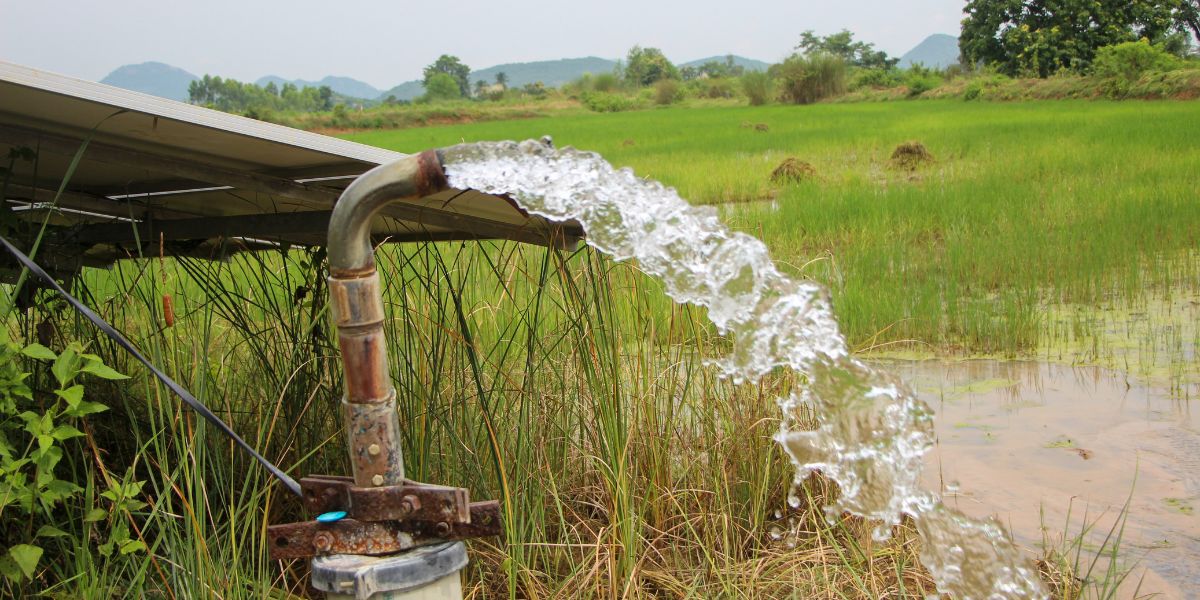
Private well systems are essential for many rural homes, cottages, farms, and commercial properties. They provide water for drinking, cooking, cleaning, bathing, laundry, outdoor use, livestock needs, workshops, and daily business operations. When the system is working well, it can feel simple and dependable. But when water pressure drops, the pump stops, the water smells unusual, or treatment equipment fails, the problem can affect the entire property.
Reliable service, testing, and maintenance help protect the performance of a private well system. Because these systems include several connected parts, it is important to understand how the well, pump, pressure tank, treatment equipment, filtration, controls, and plumbing all work together.
Why Private Well Systems Require Professional Support
A private well system is not a single piece of equipment. It is a complete water supply system that depends on proper drilling, good pump performance, balanced pressure, clean water treatment, and ongoing maintenance. If one part of the system is not working properly, the entire water supply may be affected.
Working with MacKinnon Water Solutions can help rural property owners manage well water service, repairs, treatment, and system upgrades with experienced support.
The Importance of a Dependable Water Supply
Reliable water is one of the most important needs on any rural property. Weak pressure, no water, cloudy water, staining, unusual odours, or changes in taste can create stress for homeowners and business owners. These issues may come from the well, pump, pressure tank, plumbing, water chemistry, treatment system, or aging equipment.
Property owners looking for well water services in Sundridge often need help finding the cause of these problems and choosing the right solution.
Well Drilling for Rural Homes and Properties
Well drilling is an important part of building or improving a rural property. A properly drilled well can provide a dependable water source for a home, cottage, farm, or commercial site. The process requires experience, proper equipment, and knowledge of local ground conditions.
Well depth, casing, flow rate, water yield, and long-term property demand all matter. A well should be planned around the needs of the property so it can support daily use more reliably over time.
Well Pumps and Water Delivery
The well pump is responsible for moving water from the well into the home or building. When the pump is not working properly, the property may experience low pressure, air in the lines, short cycling, strange noises, or a complete loss of water.
Pump problems should be inspected quickly. A professional can determine whether the issue requires repair, adjustment, replacement, or further troubleshooting of the well system.
Pressure Tanks and Water Pressure
A pressure tank helps keep water pressure more consistent and reduces how often the pump turns on and off. If the tank is failing, undersized, or not working correctly, the pump may short cycle, pressure may fluctuate, or the system may feel unreliable.
Pressure tank issues can place extra strain on the pump. Proper tank sizing, installation, and maintenance help support better performance and may help protect system components from unnecessary wear.
Understanding Low Water Pressure
Low water pressure can have many causes. It may be related to the pump, pressure tank, pressure switch, plumbing restrictions, mineral buildup, well yield, or increased water demand. Because the cause is not always obvious, replacing parts without proper inspection can lead to unnecessary costs.
A professional inspection can help identify what is actually affecting the pressure. This can make repairs more accurate and help property owners avoid guessing.
Water Treatment for Rural Properties
Private well water can vary widely from one property to another. Some wells may have hard water, iron, sulfur odour, sediment, bacteria, staining, scale buildup, or other quality concerns. These problems can affect taste, smell, laundry, fixtures, appliances, and everyday comfort.
People searching for rural water treatment services often need a solution based on the actual condition of the water rather than a generic system.
Why Water Testing Comes First
Water testing helps property owners understand what is in their water before choosing treatment equipment. Without testing, it can be difficult to know whether the concern is caused by iron, sulfur, hardness, sediment, bacteria, minerals, or another issue.
A proper water analysis helps guide better decisions. It can help prevent homeowners from installing treatment equipment that does not fully address the problem.
Common Signs of Water Quality Problems
Property owners should pay attention to changes in water quality. Warning signs may include rotten egg smell, metallic taste, orange or brown staining, cloudy water, sediment, scale buildup, or unusual colour. These symptoms may point to minerals, bacteria, treatment issues, or changes in the well system.
Even when water appears clear, regular testing can still be useful for private well owners. Monitoring water quality over time helps support safer and more reliable water use.
Filtration and Softening Systems
Filtration and softening systems can help address common well water concerns. Hard water may create scale buildup on fixtures and appliances. Iron may cause staining. Sediment may affect clarity. Sulfur can create unpleasant odours. The right treatment system depends on the results of water testing.
A properly selected system can improve daily water use and help protect plumbing, fixtures, and appliances from certain water-related issues.
UV Treatment and Bacteria Concerns
Some well water systems may require treatment for bacteria concerns. UV treatment can be part of a water treatment plan when testing shows the need for it. However, treatment should always be selected based on confirmed water conditions.
Proper installation and maintenance are important. Treatment equipment must be serviced as needed to keep performing correctly.
Hydrofracturing for Low-Yield Wells
Some wells do not produce enough water for the property’s needs. A low-yield well can create problems during showers, laundry, cleaning, outdoor use, or high-demand periods. Hydrofracturing may be used in certain situations to help improve water flow from the surrounding rock formation.
This service should be evaluated carefully by professionals because every well is different. Well depth, geology, existing yield, and system condition all affect whether hydrofracturing may be appropriate.
Radon Removal and Specialized Treatment
Some properties may have specialized water concerns, such as radon. If a property owner is concerned about radon, testing should be completed first. Treatment decisions should be based on confirmed results and professional recommendations.
Radon removal systems and other specialized treatment equipment should be installed and maintained properly to support long-term performance.
Upgrading Older Well Water Systems
Older systems may need upgrades as equipment wears out or property needs change. Pumps, pressure tanks, switches, filters, and treatment equipment all have service lives. A system that worked well years ago may no longer meet the current demands of the home or property.
Upgrades may be useful when a cottage becomes a full-time residence, a household grows, a renovation adds water demand, or a commercial property needs stronger performance.
Residential Well Water Needs
Residential properties need well systems that support everyday comfort. Homeowners may need help with pump repairs, pressure problems, water treatment, filtration, water testing, well inspections, and equipment upgrades.
Each home is different. The right solution depends on water demand, well condition, water quality, existing equipment, and long-term needs.
Commercial and Agricultural Water Needs
Commercial and agricultural properties may have higher water demands than typical homes. Farms, workshops, rental properties, rural businesses, cottages, and commercial sites may need stronger equipment, higher flow capacity, or more detailed treatment planning.
Professional support can help match the water system to the way the property is actually used. This can improve reliability and help reduce unnecessary interruptions.
Preventative Maintenance for Well Systems
Preventative maintenance helps reduce the chance of unexpected water system problems. Pumps, pressure tanks, filters, treatment equipment, controls, and system components should be inspected and serviced when needed.
Property owners should also monitor water pressure, taste, odour, colour, staining, pump noise, and water flow. These changes can be early signs that service is needed.
Choosing the Right Water Service Provider
Choosing the right provider matters because private well systems require experience, proper equipment, and practical knowledge of rural water needs. A reliable provider should understand well drilling, pumps, pressure tanks, water treatment, filtration, hydrofracturing, radon removal, and system upgrades.
Clear communication is also important. Property owners should understand what the problem is, what solution is recommended, and how to maintain the system moving forward.
Final Thoughts
Private well systems need reliable service, testing, and maintenance because they support nearly every part of daily life on rural properties. From well drilling and pump service to pressure tanks, water treatment, hydrofracturing, radon removal, and upgrades, professional support helps protect the water supply.
When well systems are properly installed, tested, serviced, and maintained, property owners can enjoy better performance, fewer disruptions, and greater confidence in their water system throughout the year.